
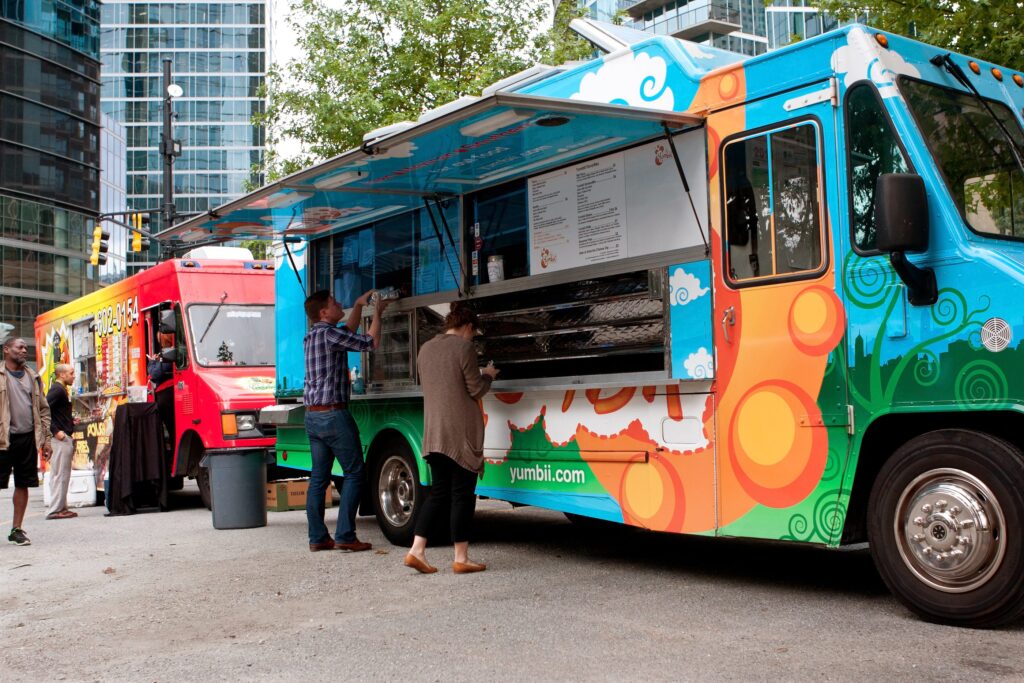
8 Most Popular Food Truck Cuisine Types
food truck cuisine types Discover the most successful food truck cuisine types that consistently attract customers and generate strong profits. Learn which culinary styles dominate the mobile food industry and why they work so well for street vendors.
The food truck industry has exploded into a multi-billion dollar market, with entrepreneurs discovering that certain cuisine types consistently outperform others in terms of customer appeal, profitability, and operational efficiency. Understanding which food styles work best for mobile vendors can make the difference between a thriving business and a struggling one.
When selecting a cuisine type for your food truck venture, several factors come into play: preparation speed, ingredient costs, equipment requirements, and most importantly, customer demand. The most successful food truck operators have identified specific culinary niches that translate perfectly to the mobile dining experience.
1. Mexican and Tex-Mex Cuisine
Mexican and Tex-Mex cuisine consistently ranks as the most popular food truck category across the United States. The appeal lies in the perfect combination of bold flavors, affordable ingredients, and quick preparation times that make this cuisine ideal for street food operations.
Tacos remain the undisputed king of food truck offerings, with their handheld convenience and endless customization options. Successful Mexican food trucks typically offer a core menu of tacos, burritos, quesadillas, and nachos, often featuring both traditional and fusion variations to appeal to diverse customer bases.
The operational advantages of Mexican cuisine for food trucks include:
- Minimal cooking equipment requirements
- Cost-effective protein and vegetable ingredients
- High profit margins on items like guacamole and salsas
- Fast assembly and service times
- Strong appeal across different demographic groups
Many successful operators focus on authenticity while incorporating local tastes and preferences. This might mean offering regional protein options or adjusting spice levels to match local palates while maintaining the core appeal of Mexican street food culture.
2. Gourmet Burgers and American Classics
The gourmet burger trend has transformed the humble hamburger into a premium food truck offering that commands higher prices while maintaining broad customer appeal. Modern burger trucks differentiate themselves through high-quality ingredients, creative toppings, and artisanal preparation methods.
Successful burger trucks often feature grass-fed beef, house-made sauces, artisanal buns, and unique topping combinations that create Instagram-worthy presentations. The key to success in this category lies in balancing premium ingredients with efficient preparation and reasonable pricing.
Popular variations include:
- Classic American burgers with gourmet twists
- Regional specialties like California-style or Southern-inspired burgers
- Alternative protein options including turkey, chicken, and plant-based patties
- Loaded fries and onion rings as high-margin side items
The burger category works well for food trucks because it requires relatively simple equipment while offering excellent profit margins on add-ons and upgrades. Customers readily pay premium prices for quality burgers, making this cuisine type particularly attractive for operators targeting lunch crowds and special events.
3. Asian Fusion and Street Food
Asian fusion cuisine has become increasingly popular in the food truck space, offering operators the opportunity to blend traditional Asian flavors with American preferences and cooking techniques. This category encompasses everything from Korean BBQ to Vietnamese banh mi to Japanese-inspired rice bowls.
The success of Asian fusion trucks often stems from their ability to introduce customers to new flavors in familiar formats. Korean BBQ tacos, for example, combine the handheld convenience Americans love with the bold, umami-rich flavors of Korean cuisine.
Popular Asian fusion offerings include:
- Rice and noodle bowls with customizable proteins and sauces
- Asian-inspired tacos and wraps
- Dumplings and steamed buns
- Stir-fry dishes prepared to order
- Fusion desserts like Korean corn dogs or Asian-inspired ice cream
The key to success in Asian fusion lies in balancing authenticity with accessibility. Successful operators often start with familiar base ingredients and gradually introduce more adventurous flavors as their customer base develops trust and curiosity about the cuisine.
4. BBQ and Smoked Meats
Barbecue represents one of the most challenging yet rewarding food truck cuisine types, requiring significant equipment investment and time management skills but offering exceptional customer loyalty and premium pricing opportunities.
BBQ trucks typically focus on a specific regional style, whether it’s Texas brisket, Carolina pulled pork, Kansas City ribs, or Memphis dry rubs. This specialization helps build brand identity and customer expectations while allowing operators to perfect their craft in a particular barbecue tradition.
Operational considerations for BBQ trucks include:
- Substantial smoker equipment and fuel requirements
- Extended cooking times requiring advance preparation
- Higher food costs for quality meat products
- Strong profit potential on high-margin sides and sauces
- Devoted customer following once quality is established
Many successful BBQ trucks supplement their smoked meat offerings with complementary items like mac and cheese, coleslaw, and cornbread that can be prepared more quickly and offer excellent profit margins. The key lies in maintaining consistent quality while managing the complex logistics of mobile smoking operations.
5. Pizza and Italian Specialties
Pizza trucks have gained tremendous popularity by bringing wood-fired and artisanal pizza preparation to the mobile food scene. The visual appeal of pizza preparation, combined with the universal love for pizza, makes this cuisine type particularly effective for attracting customers and generating social media buzz.
Modern pizza trucks often feature compact wood-fired ovens or specialized mobile pizza equipment that allows for quick cooking times and authentic flavors. The key to success lies in developing a focused menu of signature pizzas while maintaining the speed necessary for food truck service.
Successful pizza truck strategies include:
- Personal-sized pizzas that cook quickly and serve easily
- Pre-made dough and sauce systems for consistency and speed
- Limited but high-quality topping selections
- Italian specialties like calzones or garlic knots as complementary items
- Focus on premium ingredients to justify higher prices
The pizza category works particularly well for food trucks because it offers strong visual appeal, broad customer acceptance, and the ability to command premium prices for artisanal preparation methods.
6. Seafood and Coastal Cuisine
Seafood trucks have carved out a profitable niche by bringing fresh coastal flavors to inland markets and offering convenient access to quality seafood dishes. This cuisine type works particularly well in areas where fresh seafood restaurants are limited or expensive.
Popular seafood truck offerings focus on dishes that travel well and can be prepared quickly, such as fish tacos, shrimp po’boys, lobster rolls, and fish and chips. The key to success lies in sourcing quality seafood and maintaining proper food safety standards while managing the higher ingredient costs associated with fresh fish and shellfish.
Operational advantages of seafood trucks include:
- Premium pricing potential for quality seafood dishes
- Strong differentiation from other food truck categories
- Appeal to health-conscious customers
- Seasonal menu flexibility based on seafood availability
- Tourist and special event appeal in coastal areas
Successful seafood trucks often focus on a specific regional style, such as New England lobster rolls, Gulf Coast shrimp dishes, or Pacific Northwest salmon preparations, allowing them to build expertise and customer expectations around particular seafood traditions.
7. Desserts and Sweet Treats
Dessert trucks represent a specialized but highly profitable segment of the food truck industry, capitalizing on impulse purchases and the universal appeal of sweet treats. This category includes everything from gourmet ice cream to artisanal donuts to elaborate dessert creations.
The success of dessert trucks often depends on creating Instagram-worthy presentations and unique flavor combinations that generate social media buzz and word-of-mouth marketing. Food Network has featured numerous dessert trucks that have built national followings through creative presentations and social media savvy.
Popular dessert truck concepts include:
- Gourmet ice cream with unique flavors and toppings
- Fresh-made donuts with creative glazes and fillings
- Cupcakes and cake pops with elaborate decorations
- Frozen treats like rolled ice cream or nitrogen ice cream
- Seasonal specialties like hot chocolate or fresh fruit desserts
Dessert trucks often excel at special events, festivals, and late-night service when customers are looking for indulgent treats. The key to success lies in creating memorable experiences and maintaining consistent quality while managing the technical challenges of mobile dessert preparation.
8. Healthy and Plant-Based Options
The growing demand for healthy, plant-based, and dietary-specific options has created opportunities for food trucks specializing in nutritious, fresh cuisine. This category appeals to health-conscious consumers, those with dietary restrictions, and environmentally conscious customers seeking sustainable food options.
Successful healthy food trucks often focus on fresh, locally-sourced ingredients and customizable menu options that allow customers to tailor their meals to specific dietary needs. Popular formats include grain bowls, fresh salads, smoothies, and plant-based versions of traditional comfort foods.
Key strategies for healthy food trucks include:
- Emphasizing fresh, organic, and locally-sourced ingredients
- Offering customizable bowls and salads
- Providing clear nutritional information and dietary labels
- Creating satisfying plant-based versions of popular dishes
- Targeting health-conscious demographics and locations
The healthy food category works well for food trucks because it allows for premium pricing while appealing to underserved market segments. Success often depends on location selection, targeting areas with health-conscious demographics, and building relationships with fitness centers, yoga studios, and corporate campuses.
Choosing the Right Cuisine for Your Food Truck
Selecting the optimal cuisine type for your food truck requires careful consideration of multiple factors beyond personal preference. Market research, competition analysis, and operational capabilities all play crucial roles in determining which cuisine type will work best for your specific situation.
Consider these key factors when evaluating cuisine options:
Local Market Demand: Research your target market to understand customer preferences, dietary trends, and underserved niches. What cuisines are already well-represented, and where might opportunities exist for differentiation?
Operational Requirements: Different cuisines require varying levels of equipment, preparation time, and technical skill. Ensure your chosen cuisine aligns with your budget, space constraints, and operational capabilities.
Ingredient Costs and Availability: Factor in the cost and availability of key ingredients, particularly for cuisines requiring specialty items or premium proteins. Consider seasonal variations and supply chain reliability.
Profit Margins: Analyze the potential profit margins for different menu items, considering both food costs and pricing potential in your market. Some cuisines naturally command higher prices while others compete primarily on value.
Preparation Speed: Food trucks must serve customers quickly to maximize sales during peak periods. Choose cuisines that can be prepared efficiently without compromising quality.
Building Success in Your Chosen Cuisine
Once you’ve selected a cuisine type, success depends on execution, consistency, and continuous improvement. The most successful food truck operators focus on perfecting a limited menu rather than trying to offer everything to everyone.
Develop signature dishes that become synonymous with your brand, and don’t be afraid to put your own creative spin on traditional recipes. Entrepreneur Magazine has documented numerous food truck success stories that began with operators taking traditional cuisines in new directions.
Customer feedback becomes crucial for refining your offerings and identifying opportunities for menu expansion or modification. Pay attention to which items sell best, what customers request, and how your cuisine performs in different locations and situations.
Remember that cuisine selection is just the beginning of building a successful food truck business. Quality ingredients, consistent preparation, excellent customer service, and effective marketing all contribute to long-term success regardless of which cuisine type you choose.
The food truck industry continues to evolve, with new trends and fusion concepts emerging regularly. Stay connected to industry developments, customer preferences, and local market changes to ensure your chosen cuisine remains relevant and profitable over time.
Success in the food truck business ultimately comes from combining passion for your chosen cuisine with solid business fundamentals and a deep understanding of your customers’ needs and preferences. Choose a cuisine type that excites you personally while meeting the practical requirements of mobile food service, and you’ll be well-positioned for long-term success in this dynamic industry.
 No products in the cart.